Courtyards can offer solutions to heat and flooding
Hot summers, heavy rainfall and biodiversity loss are already felt in the courtyards of housing companies. Helsinki is working with three of them to find ways to make their courtyards greener to better cope with these challenges. The lessons learned will be compiled into a handbook for the benefit of everyone in Helsinki.
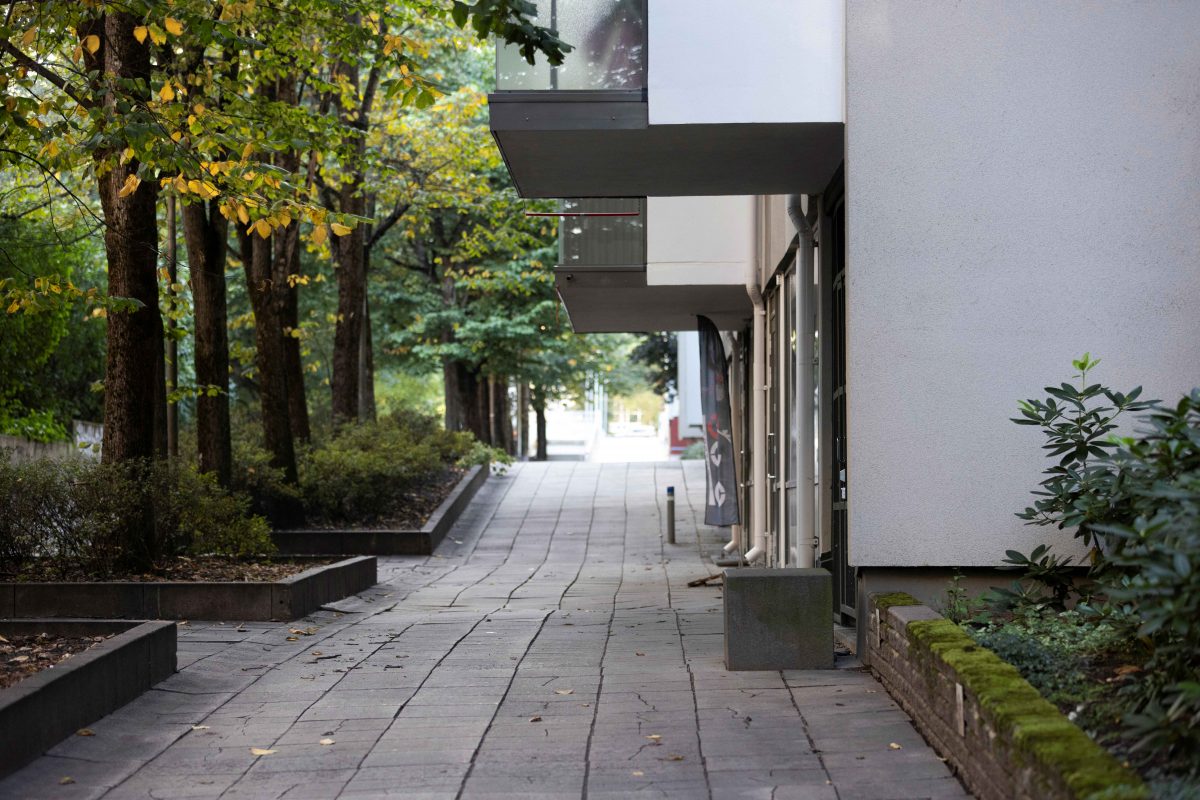
The effects of climate change are already visible in our daily lives: courtyards become unbearably hot during heatwaves, heavy rains cause flooding, and flowers have fewer pollinators buzzing around them.
The City of Helsinki is participating in the EU-funded Rewild the City project, in which it is developing practical solutions to help housing companies make their courtyards greener and more pleasant while preparing for the extreme weather events brought about by climate change.
“We want to identify measures that are easy for housing companies to implement themselves, helping them make their courtyards greener and more resilient,” says Tessa Dean, the project manager in Helsinki.
More trees, lawns turned into meadows
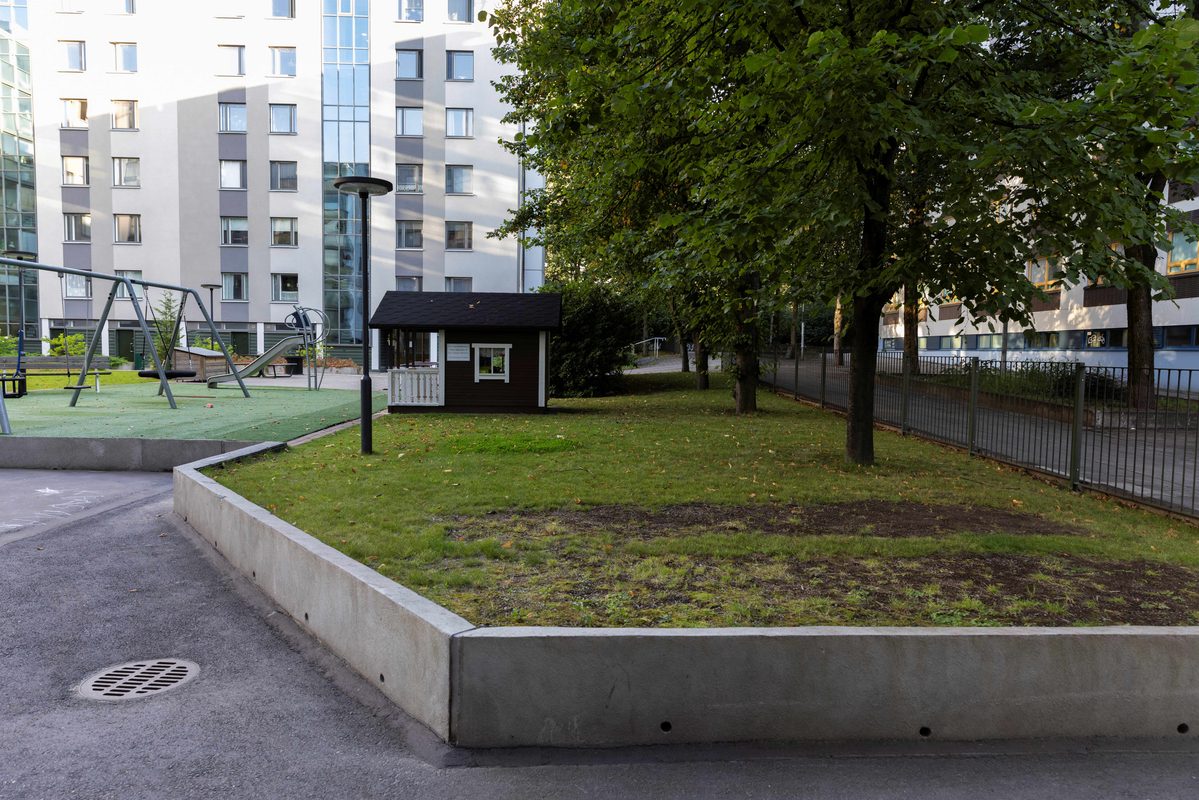
Adding vegetation to courtyards can help address many problems. Trees are particularly important.
“Even a single deciduous tree offers enormous benefits, as trees cool and shade the courtyard. Their root systems also help prevent flooding and soil erosion caused by heavy rainfall. Trees capture carbon from the air in their leaves, branches and trunks, while carbon is also stored in the soil,” explains landscape architect Reetta Nissilä of Sitowise, the project’s design partner.
Trees also provide shelter, food and habitats for numerous species. Their bark, leaves, hollows and dead branches, for example, are important to many insects, birds, lichens, mosses and fungi. The roots below ground and their surroundings are also an important part of the soil’s diverse organisms.
If planting more trees is not possible, there are also lighter-touch solutions. Climbing plants can add greenery and shade, potted plants can be brought into the courtyard, or a log can be left to decay in a corner of the grounds for insects to enjoy.
“Greening can begin with very small steps, and it is best not to take on too much at once. Even leaving an area of lawn unmown and allowing it to become a meadow is a step in the right direction,” Nissilä says.
Even leaving an area of lawn unmown and allowing it to become a meadow is a step in the right direction
Seeing the courtyard with fresh eyes
The project involves three very different housing companies across Helsinki. Their different challenges and wishes are helping to shape a wide range of greening solutions for courtyards throughout the city.
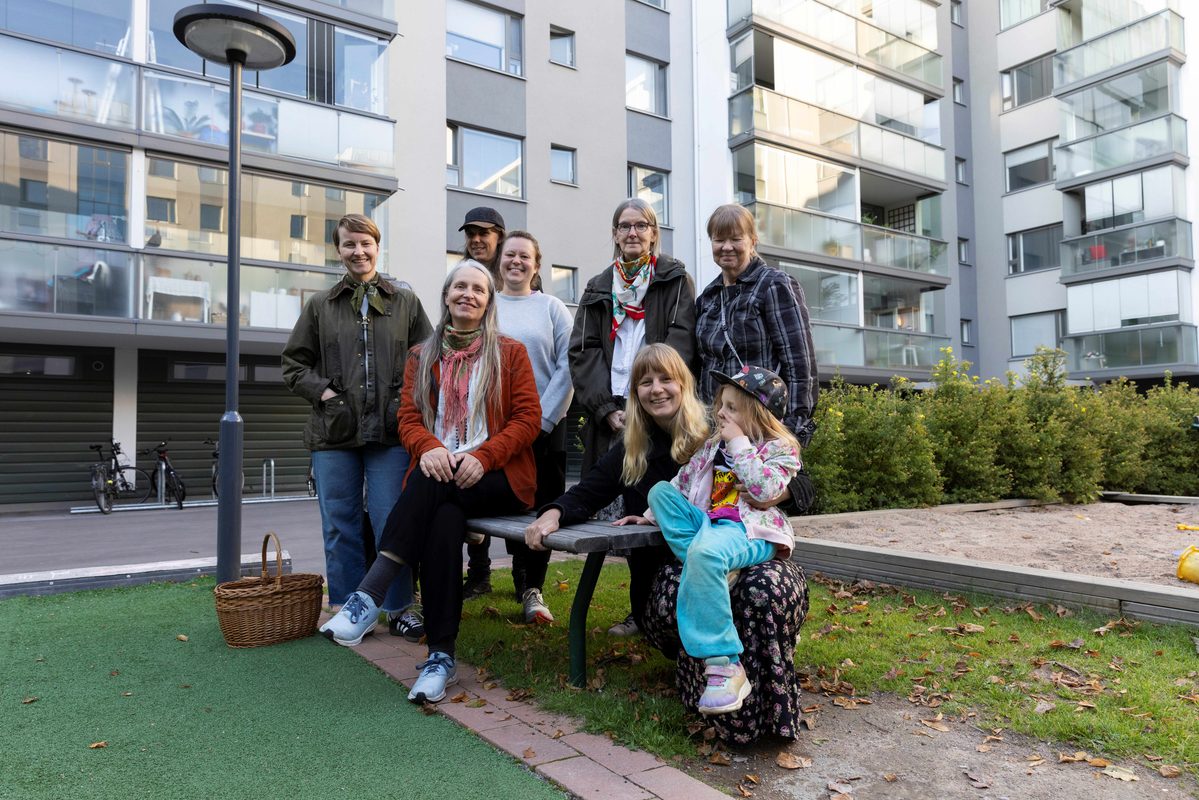
“We had already discussed making our courtyard more pleasant and increasing biodiversity, but without the necessary expertise, making progress felt difficult. Through the project, we now have access to experts from a range of fields,” says Marita Paajaste, the project contact from the housing company located in Vartiokylä.
The housing companies’ situations have been assessed through resident surveys, courtyard surveys and a workshop.
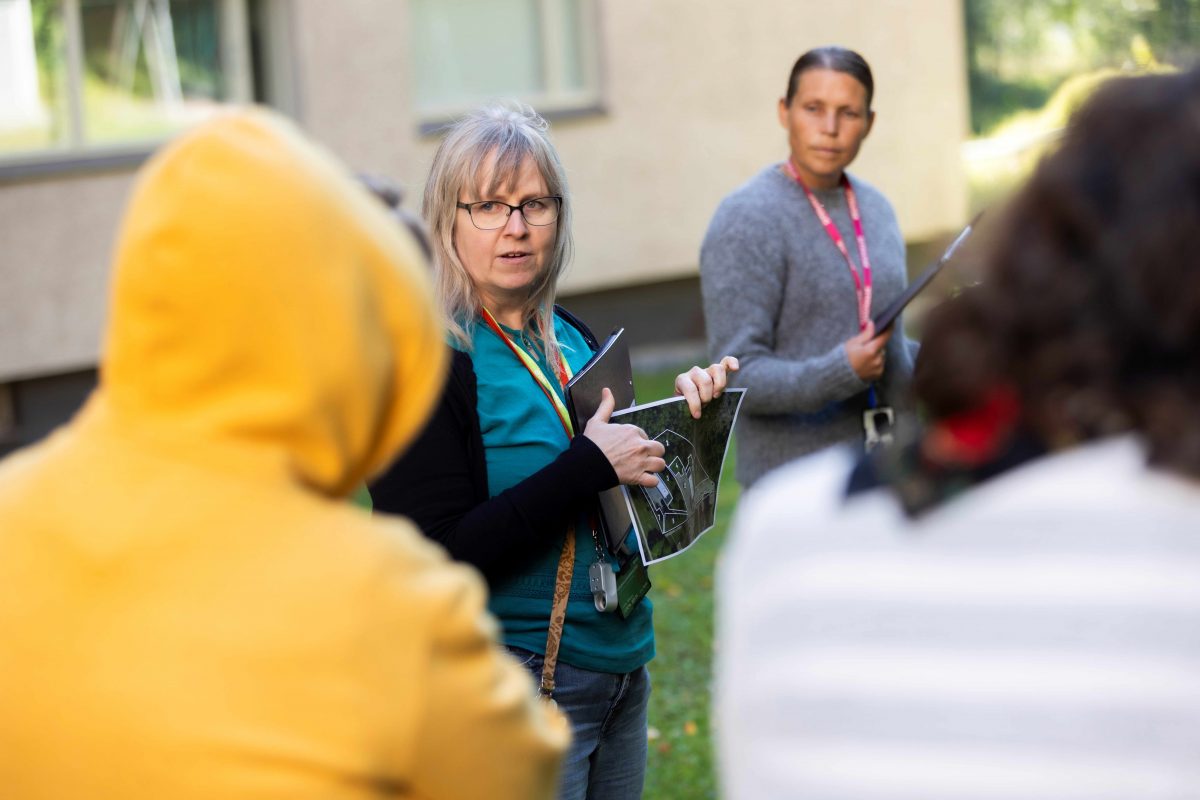
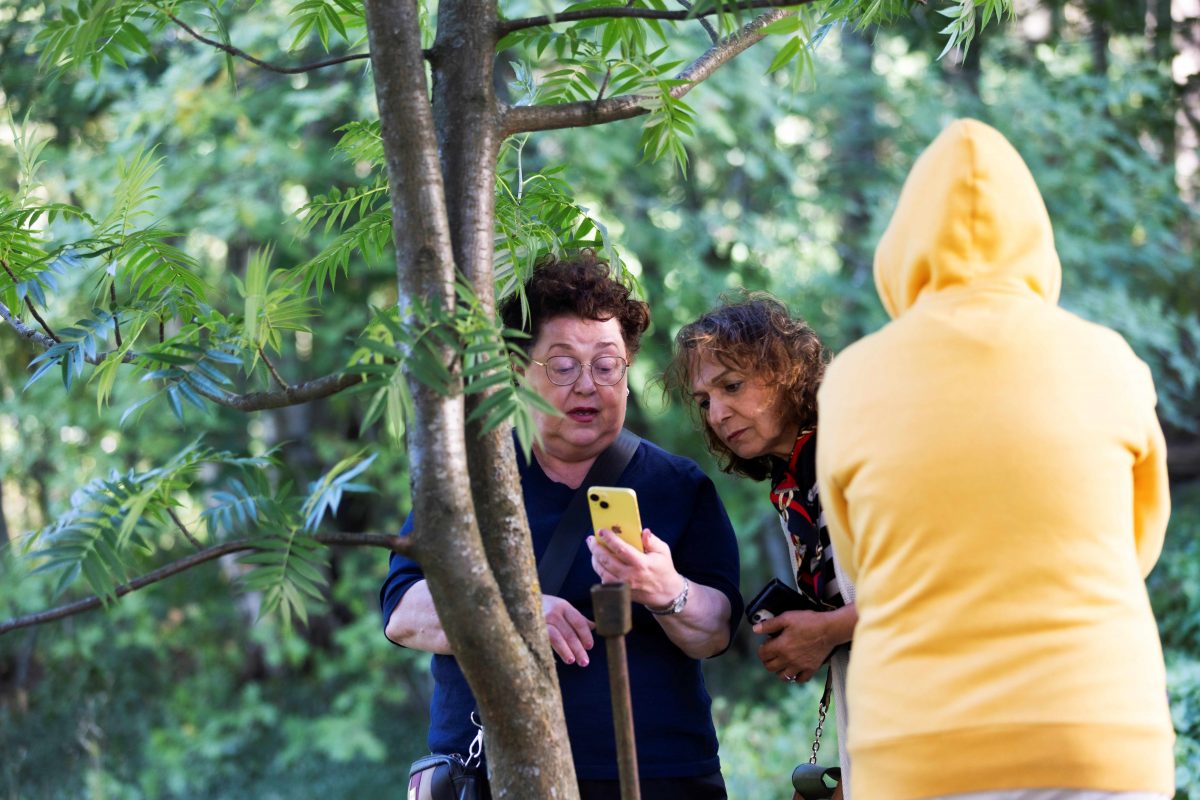
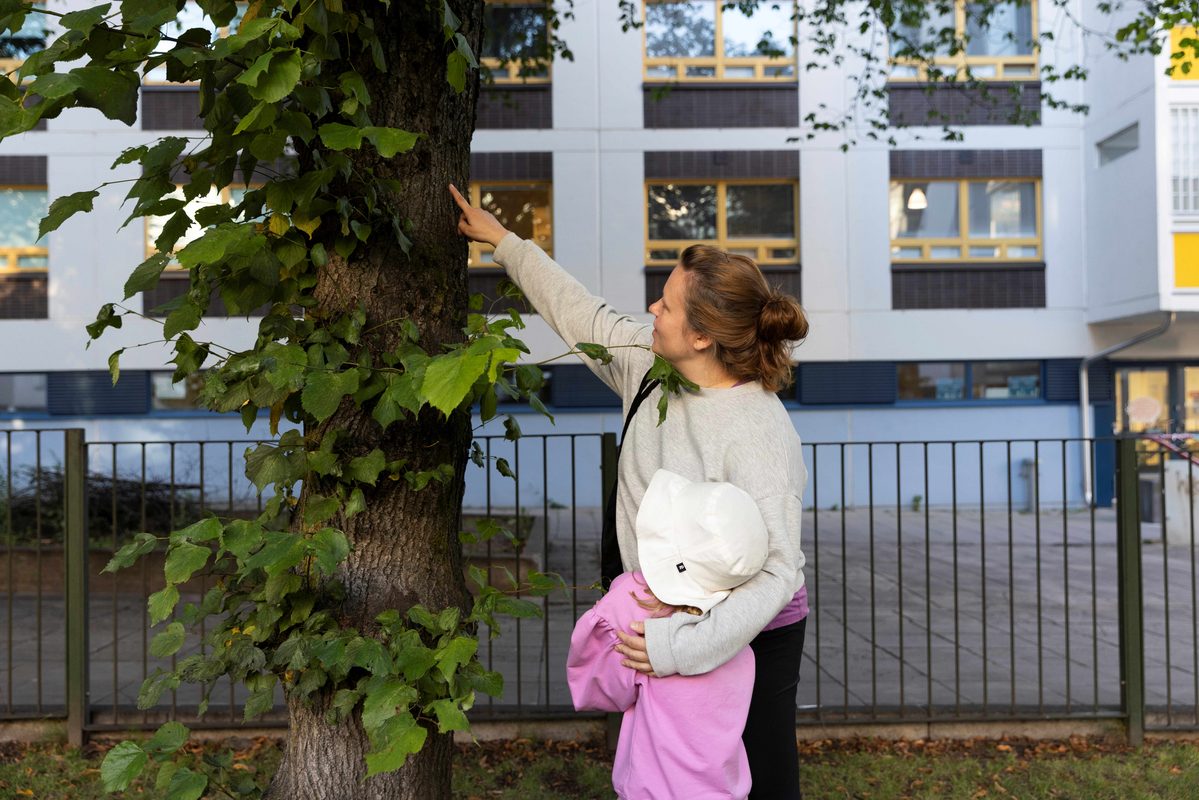
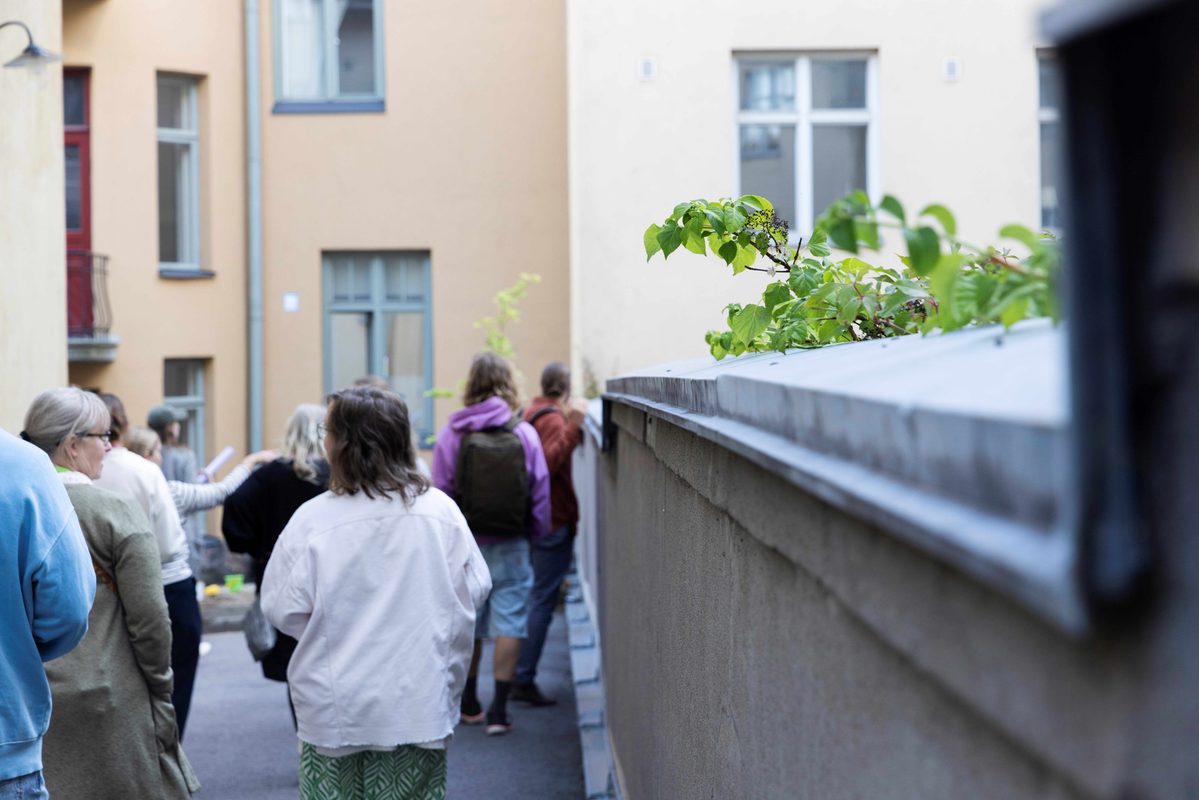
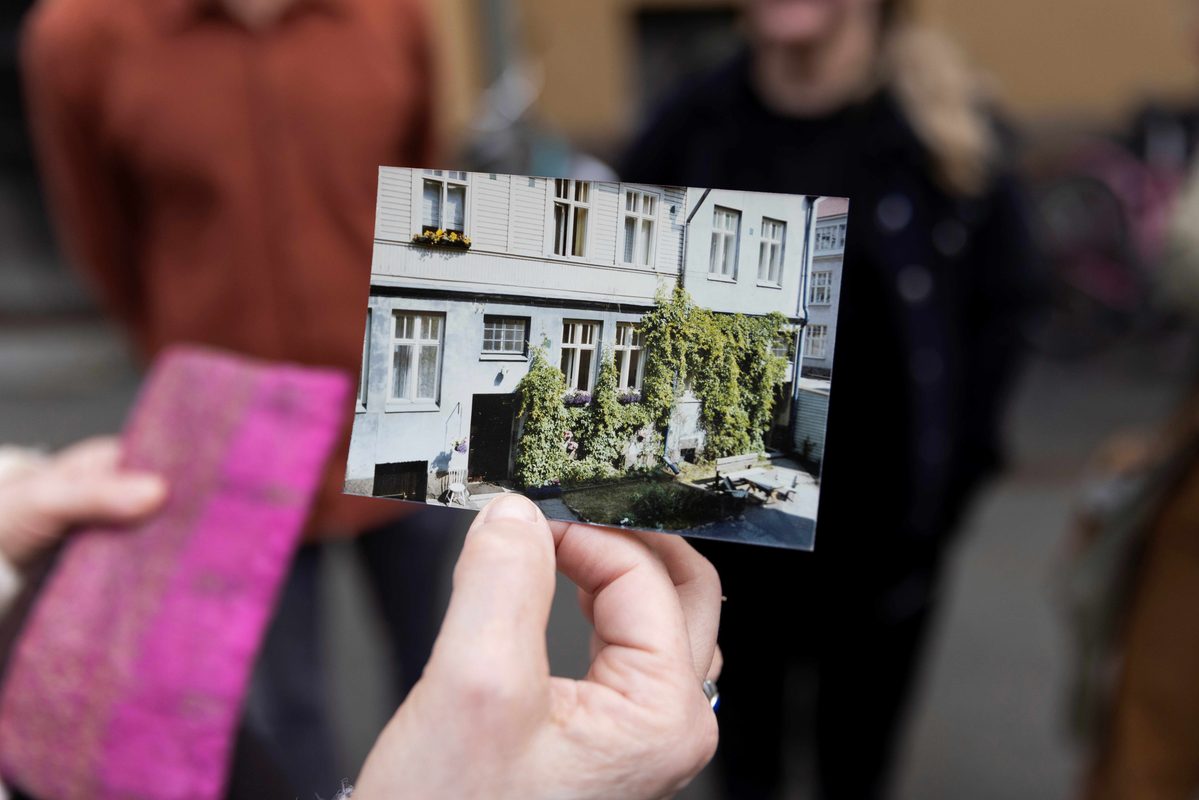
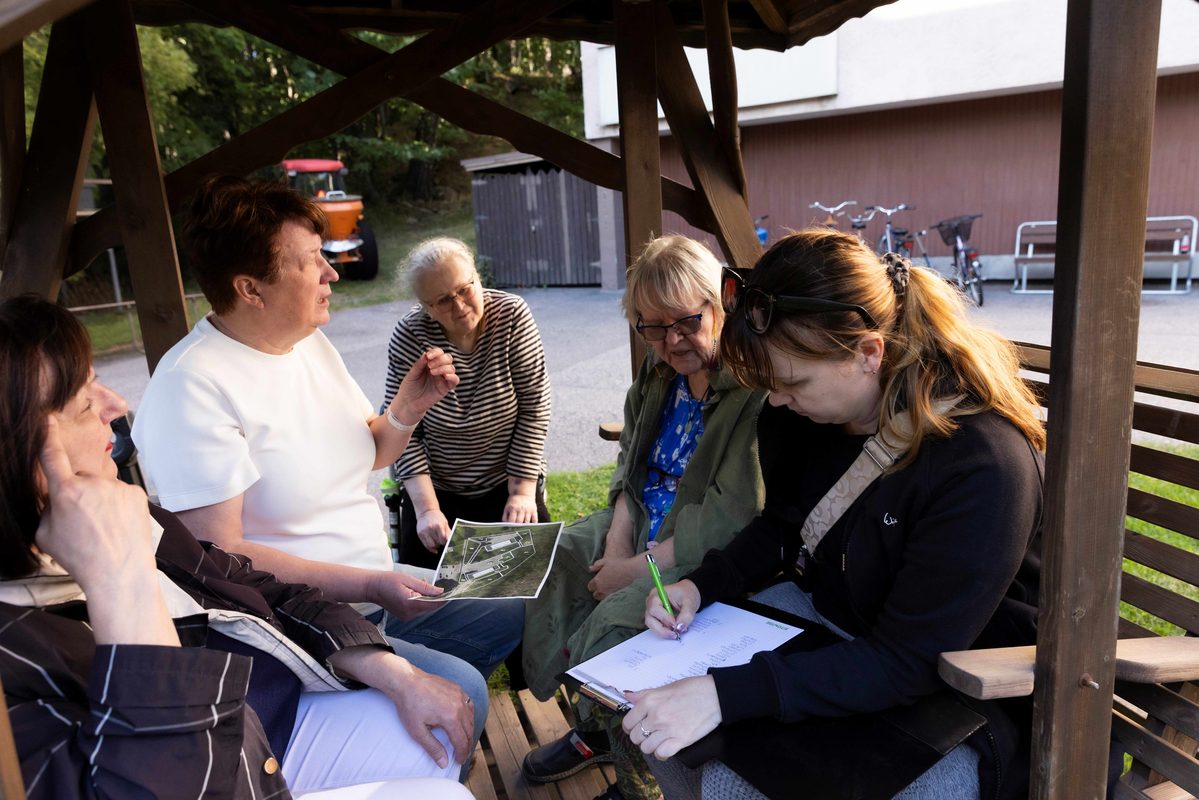
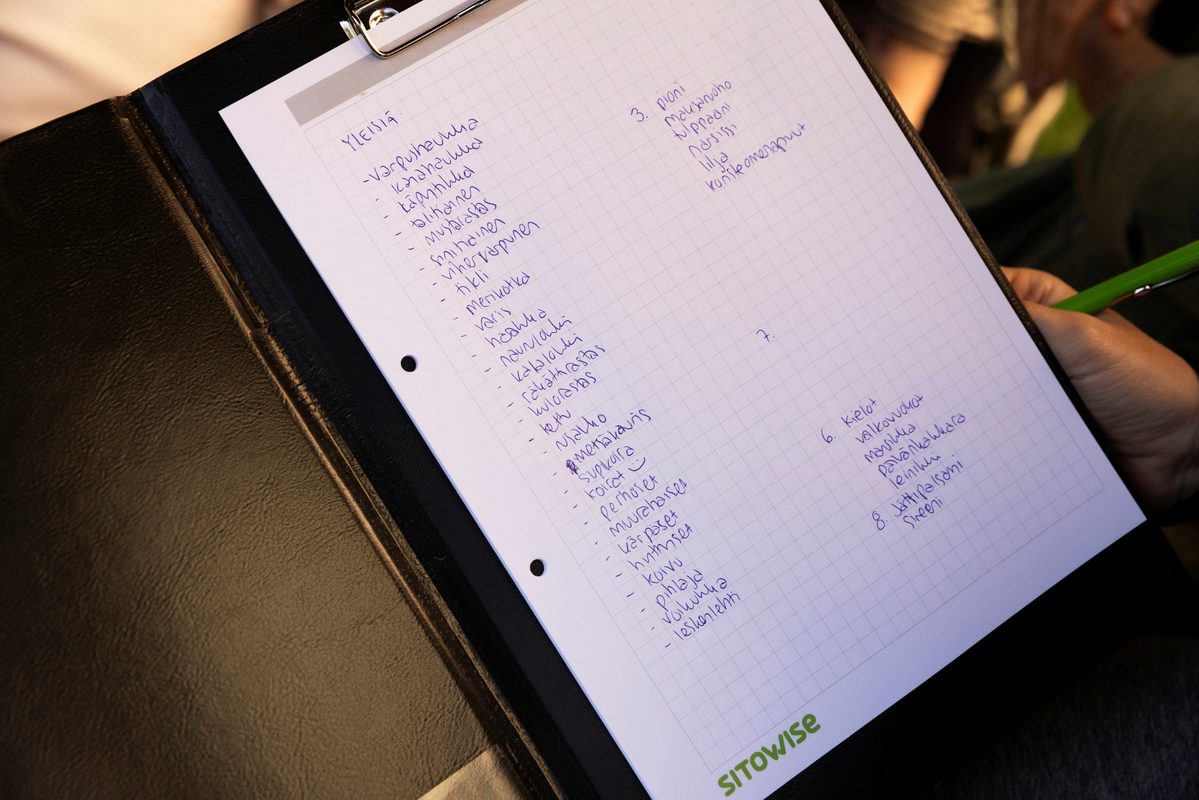
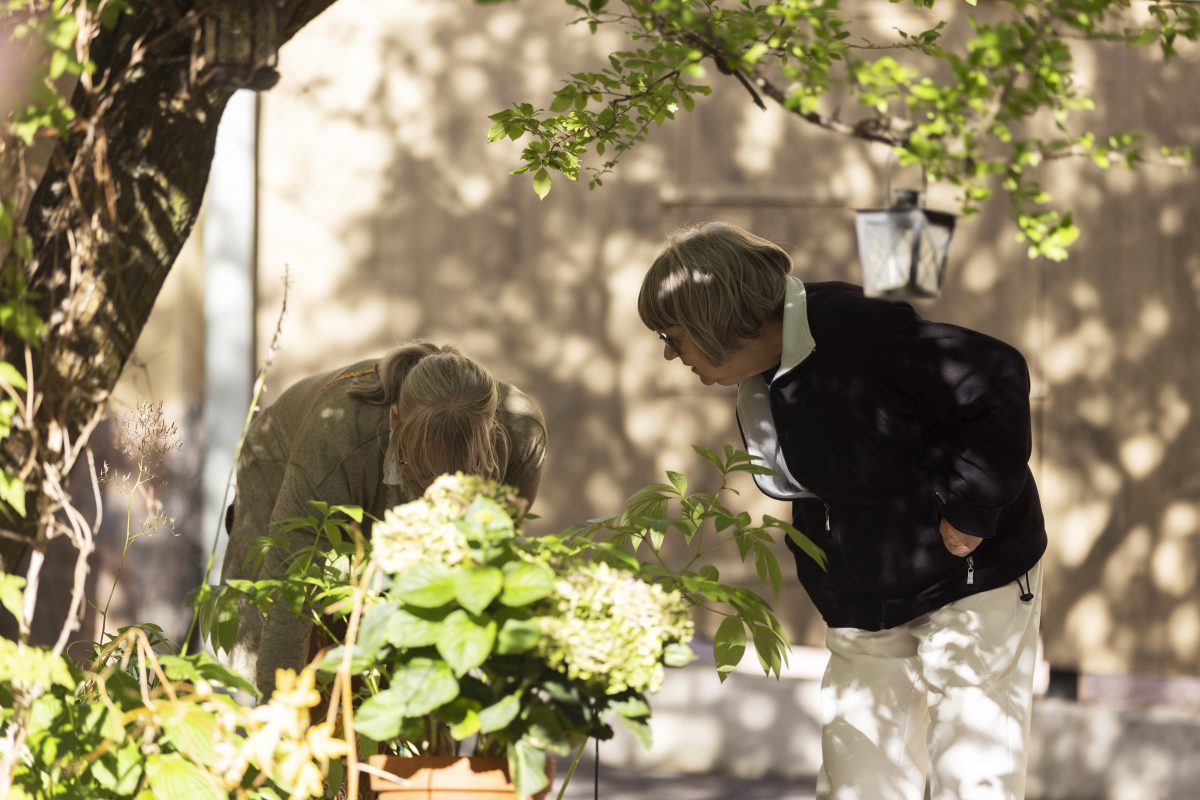
During the courtyard surveys, residents joined Sitowise biologist Hanna Tuovila in exploring the life in their own courtyards, looking for plants and animals and discovering the urban nature on their doorstep. The experience helps them see their immediate surroundings with fresh eyes.
Lessons for the whole of Helsinki
Drawing on the initial assessments and their previous experience, Sitowise’s experts are developing solutions that the housing companies can choose to implement in summer 2027.
The project’s experiences and concepts will ultimately be compiled into a practical guide that can be applied in a wide range of settings and courtyards. The aim is also to identify solutions that do not necessarily require major investment or extensive courtyard renovations.
Dean encourages housing companies to start small.
“Resources are tight, and housing companies have to budget for major building renovations. A large-scale courtyard renovation is not always necessary: residents working together can do a great deal in their own courtyard to support biodiversity and adaptation to climate change.”
Three courtyards, three different starting points
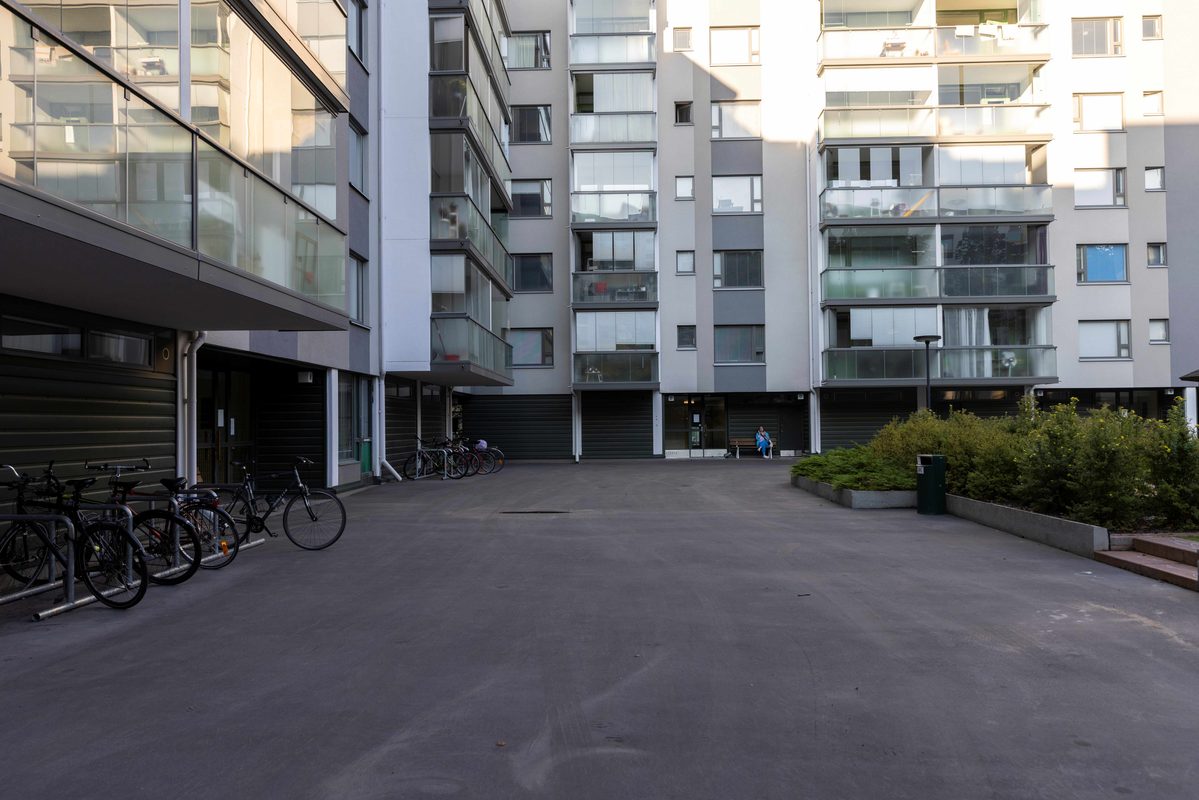
| Pasila: At this housing company occupying a 1970s urban block, the challenges include heat in the deck courtyard, limited shade and the need to increase biodiversity. Residents have particularly asked for more vegetation and pleasant places to sit and spend time. |
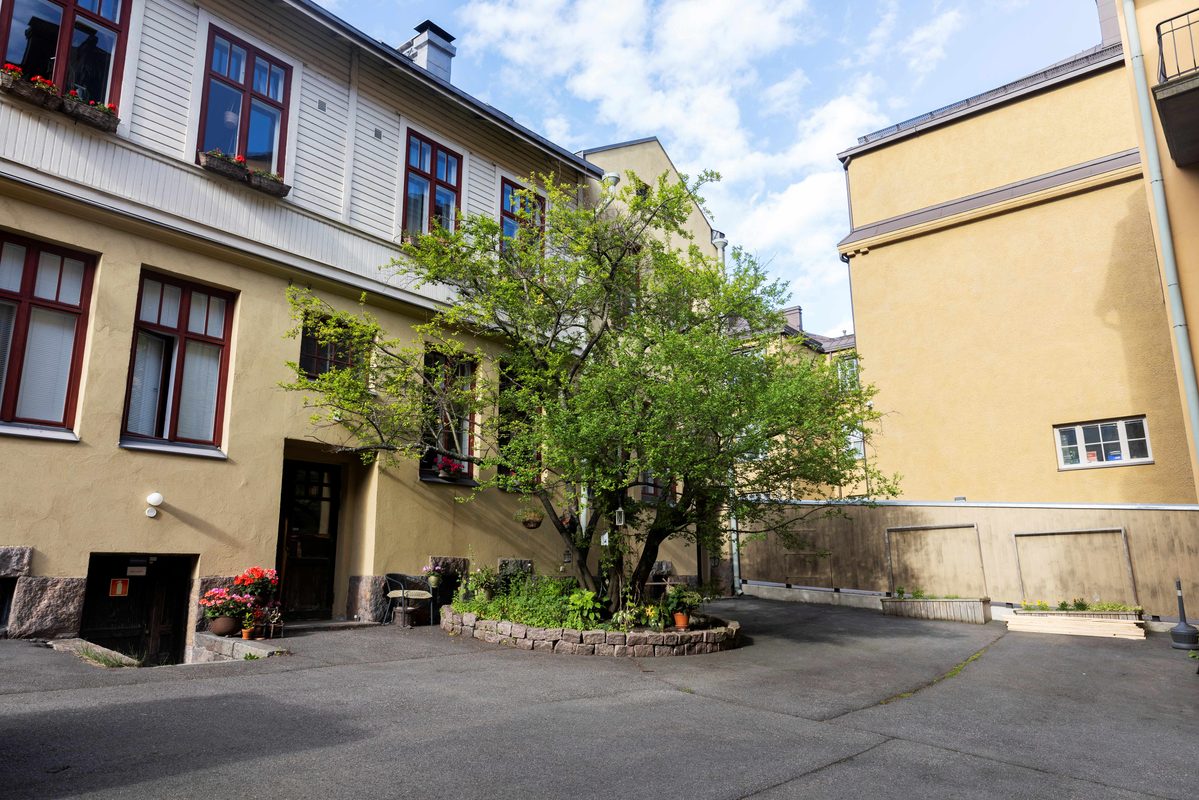
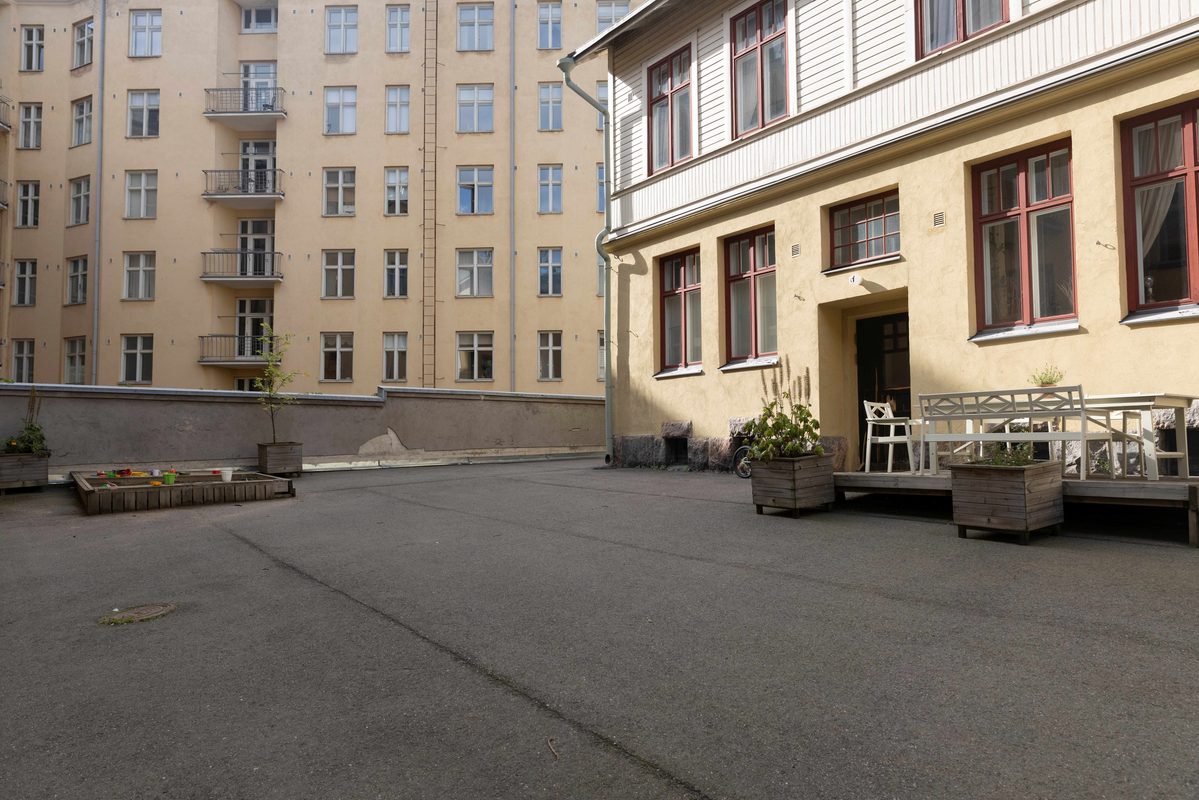
| Ullanlinna: The small courtyard of this historic housing company is almost entirely covered in asphalt. The project is exploring how greenery can be restored in a protected setting where limited space and regulations impose their own constraints. |
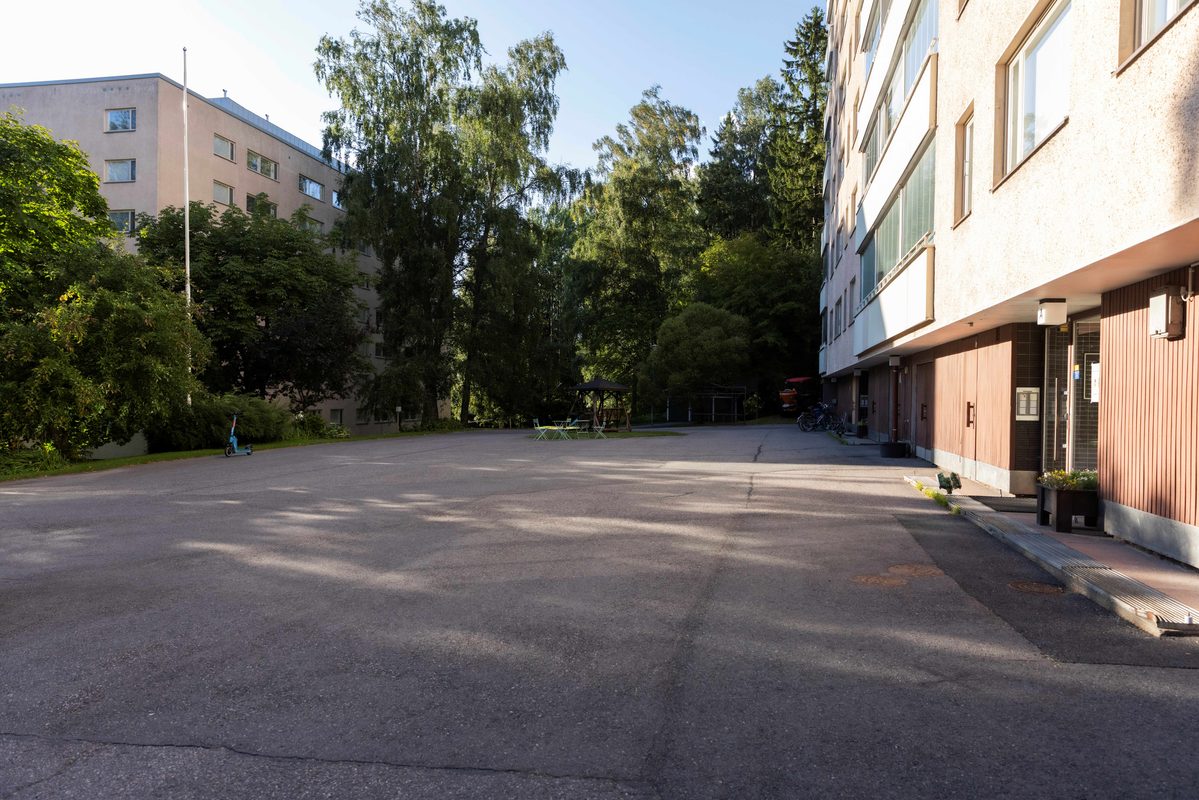
| Vartiokylä: In this leafy suburban courtyard, the aim is to build on existing strengths, make the courtyard more pleasant and find solutions for renewing the trees, managing stormwater and reorganizing the courtyard so that seating areas are located in the quietest parts of the grounds. |

Read more
Lue: Rankkasade paljastaa taloyhtiön heikot kohdat (in Finnish)