Climate-proof yard
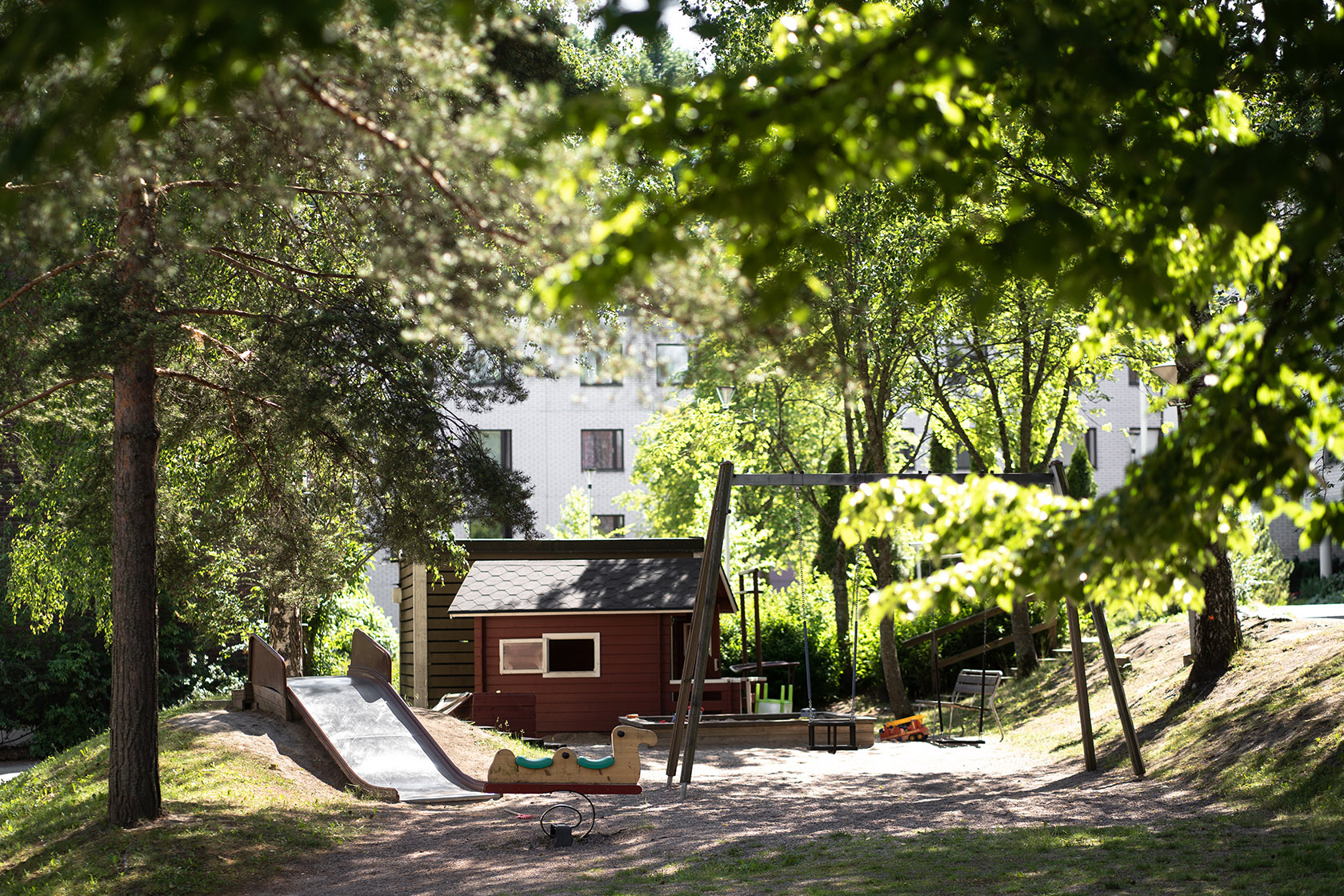
Garden design on the terms of weather
Yard design that takes into account extreme weather events is a pleasant and versatile way of preventing damage caused by weather phenomena. A well-designed yard brings many benefits; it can improve housing comfort, reduce noise, reduce the risk of damage and even offer lower maintenance costs in the long run.
Yard design must be proactive to ensure that there is enough vibrant vegetation year after year. For example, the aging of the tree population should be considered well in advance. Trees take a long time to grow, which means that new saplings should be planted years before it is time to cut down old trees, to ensure continuity. Plant species that can cope with future weather conditions should be favoured in order to ensure the longevity of vegetation.
Greener yards should be promoted at least in connection with other yard and garden renovations. The greatest benefits can be achieved when the yard plan is as comprehensive as possible and when the residents are also included in the planning. After the planning, the plan can be implemented in stages or at once, as a larger project.
Why climate-proof yard design pays off?
Residents’ wellbeing: Trees offering shade and a variety of green spaces add to the comfort of an area and provide shelter from the heat. Trees that shade the sun-exposed walls of a building also help prevent overheating of the building and the homes within.
Cost savings: A yard that helps prevent rainwater load and erosion can reduce maintenance costs. Shading the building with trees can help reduce the electricity consumption associated with active cooling. Landscaping that is adapted to the site’s growth conditions and reflects the actual use of the yard can, at best, even reduce the need for vegetation management and maintenance cycles.
Flood risk management: A well-designed yard can absorb water and prevent rainwater run-off into the building foundations.
Combating the heat island effect: Landscaping helps cool the environment and improves the microclimate.
Supports biodiversity: Diverse vegetation and decaying trees support pollinators such as bumblebees and butterflies, as well as birds and other organisms. Planting native wild plants support their populations and the species that depend on them.
Improving the soundscape: Trees and shrubs planted between traffic lanes and homes prevent noise pollution from traffic. They also provide homes for songbirds, for example, whose singing has been shown to have a positive effect on wellbeing. Read the Yle article on the subject. (in Finnish)
A block courtyard takes climate-proof garden design one step further
When several housing companies join forces, the result is a common yard area that offers more space, more diverse activities and more efficient solutions for preparing for extreme weather events. A block courtyard allows for more vegetation, better stormwater management and stronger sense of community, while also supporting biodiversity in densely-built urban environment.
The City of Helsinki has put together a guide to help housing companies take control of their block yards – together, sustainably and in a resident-centred way
Tendering documents for climate-proof yard planning
The attached tendering templates are intended for housing companies that want to improve the climate resilience of their property and plot through landscaping. The tendering template must always be adapted to the needs of each individual housing company. Choose the tendering template that suits your situation best: (available in Finnish)