Housing company in Meilahti prepares for hotter weather with geothermal cooling
Geothermal heating is becoming a popular heating solution, but not many housing companies have introduced geothermal cooling, which can be implemented in a geothermal heating renovation project. The housing company Asunto Oy Helsingin Pronssikallio in Meilahti has been using geothermal cooling for more than nine years.
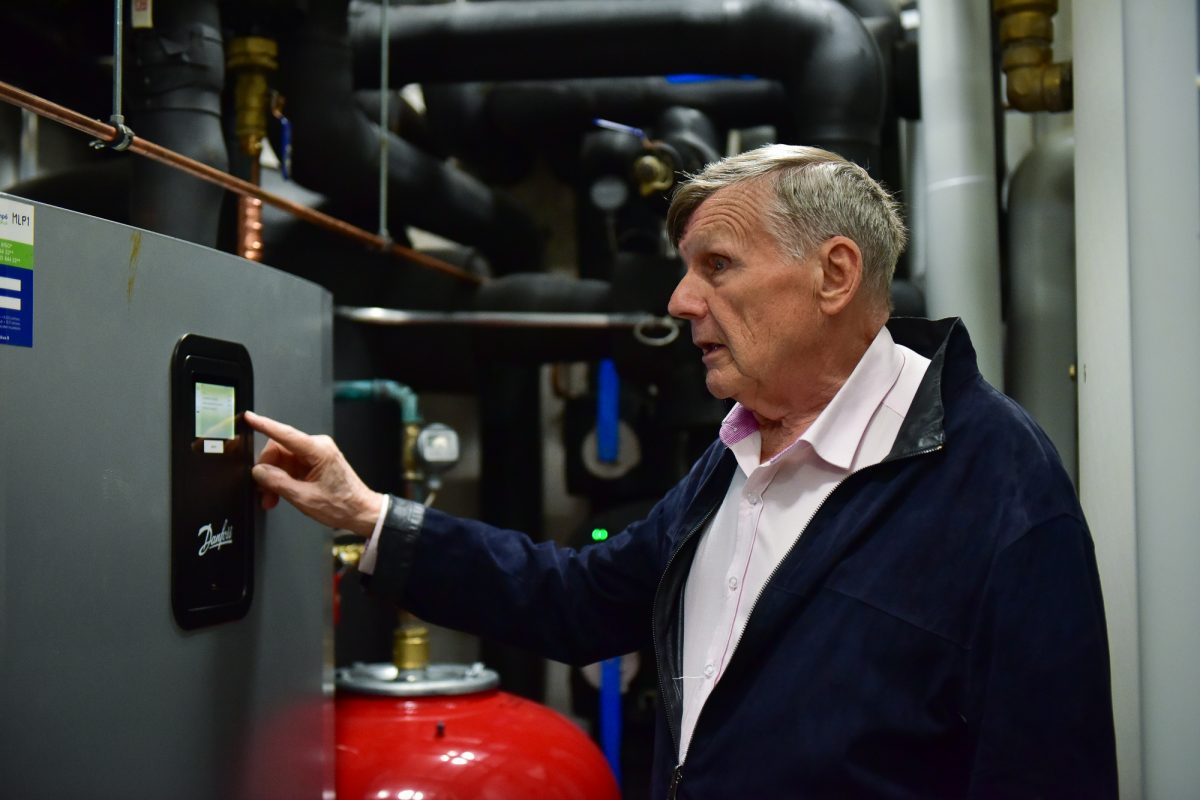
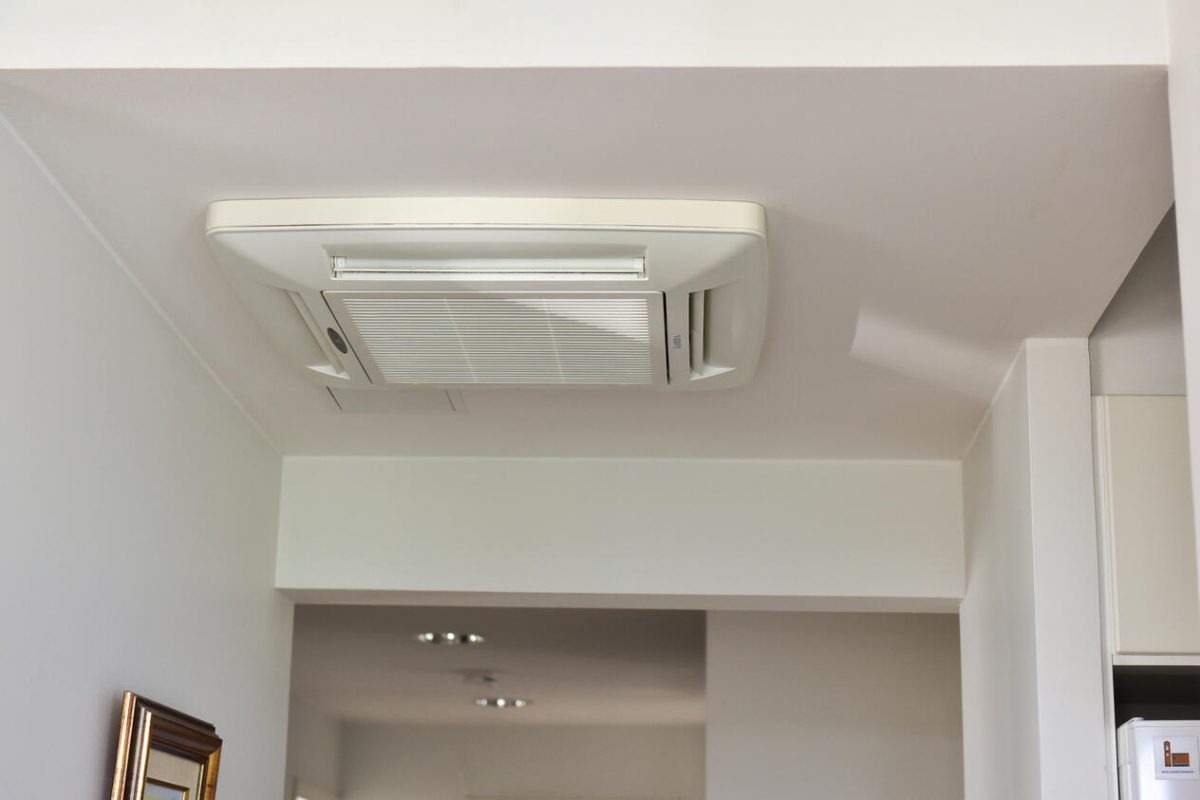
Standing in his living room in Meilahti, Matti Kupari turns on his cooling unit with a remote control. The weather outside is hot, but the geothermal cooling convector blows cool air into the apartment, keeping the indoor temperature at just above 20 degrees. Kupari is a member and former chair of the board of Asunto Oy Helsingin Pronssikallio. Nine years ago, it was his initiative that led to the installation of a geothermal cooling and heating system into this housing company in Meilahti.
“I first heard about another housing company’s positive first-hand experiences with geothermal heating in 2012. I was immediately excited because I knew that switching to geothermal heating and cooling would bring big savings right from the start. It didn’t take much persuasion to have our housing company decide to look into the matter and take action,” Kupari says.
The easiest way to install geothermal cooling is in conjunction with geothermal heating
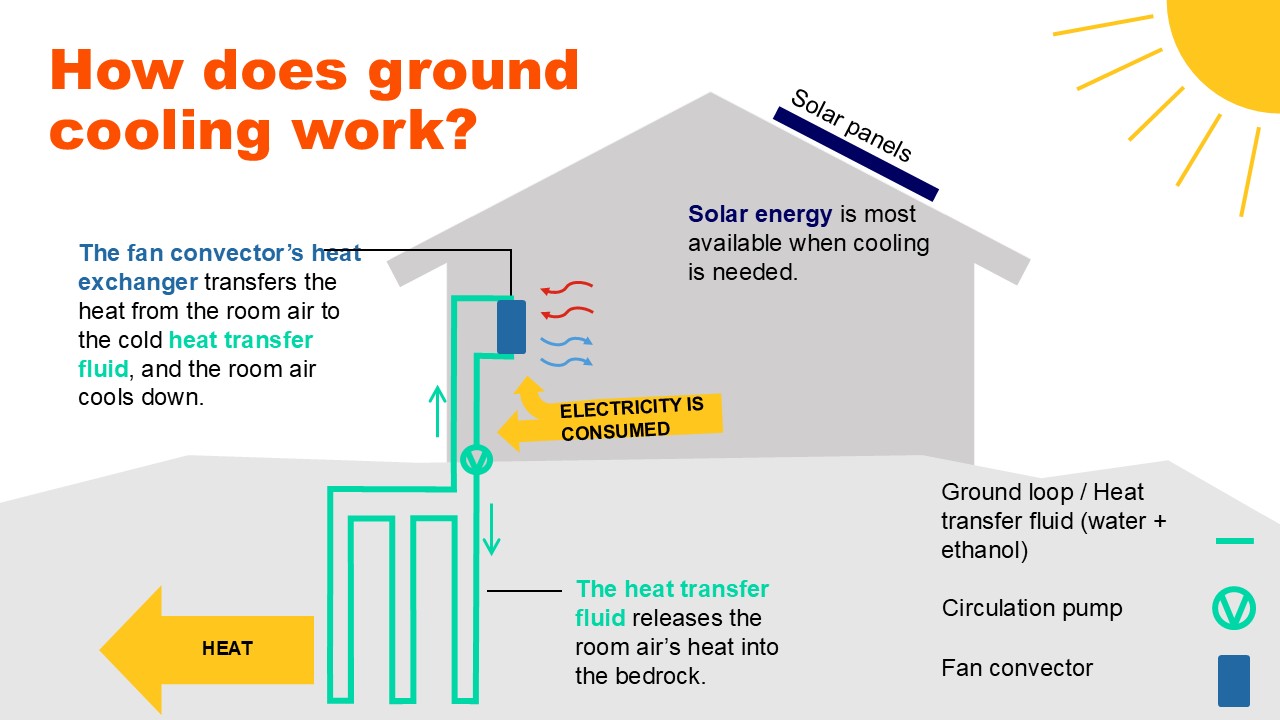
Geothermal heating systems are based on solar energy stored in the ground. Geothermal cooling is done largely with the same equipment as geothermal heating. Therefore, it is a good idea for housing companies to also consider the cooling option when making a decision on geothermal heating. The cooling system requires electricity to work, and to this end, solar panels can be installed on the roof of the building. In addition to the benefits of conventional property cooling, installing a geothermal cooling system also improves the performance of geothermal heating by transferring heat from the indoor air into the bedrock during the summer.
Kupari, now retired, is a physicist by education and already knew how the system worked before switching to geothermal heating and cooling.
“It’s a pretty simple technique and relatively easy to install. Around half of residents started using the cooling system immediately nine years ago, and more and more residents have done the same later. In any case, it’s possible to have cooling in all the apartments. Outside the door to the apartment is a valve through which the pipes can be led into the apartment, and a convector can then be installed afterwards.”
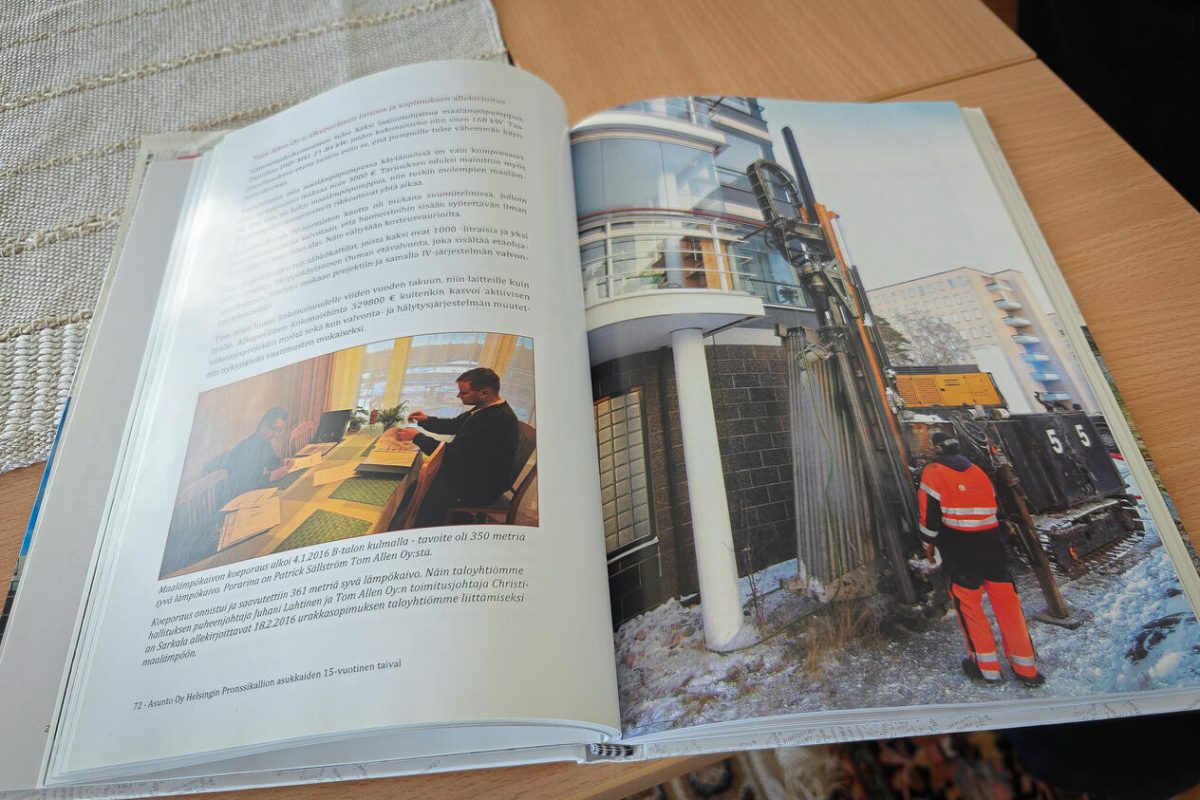
A geothermal heating and cooling system requires deep geothermal wells – Kupari’s housing company drilled 12 of them. The resulting capacity is enough to heat and cool the two buildings. Originally, the plans involved a greater number of geothermal wells, but there are underground tunnels and driveways for the Meilahti hospital area on the north side of the plot.
“It took us about five months from signing the agreement to commissioning of the geothermal heating system. Before that, a test drilling was carried out, and we carried out the drilling and system installation work during the spring of 2016. Then, during midsummer week, the geothermal heating and cooling system was turned on.”
Motivation from annual savings of tens of thousands of euros
In Helsinki, it is often financially viable for housing companies to abandon district heating and replace it with geothermal heating. This was also the case with Pronssikallio – calculations showed that geothermal heating and cooling would pay for themselves in roughly 20 years.
“When electricity and heating costs are taken into account, our housing company has made significant savings. The price of electricity has fluctuated a lot in recent years, but roughly speaking, the savings for our housing company have been at least around 33,000–35,000 euros per year.”
The properties of Pronssikallio in Helsinki have large windows and glazed balconies. In addition to this, the buildings are located high on a rock, so the sun shines almost all day in summer into most of the apartments. Without cooling measures, the temperatures of the apartments would quickly rise to uncomfortable levels. The residents are not afraid to use the cooling system, not even for cost reasons.
“Generally speaking, the more the apartments are cooled, the more heat is transferred to the bedrock via the cooling fluid, which is useful for heating the apartments in the cold season. The system transfers waste heat from the apartments to a geothermal heat pump and from there to geothermal wells, which saves electricity used by the housing company and helps provide hot water in the summer.
Heatwaves are becoming more common – preparing now is recommended
As temperatures increase, so do the cooling needs of all properties. Housing companies in Helsinki are already facing challenges brought about by changing weather conditions: heavy rain and heatwaves have increased and winter temperatures have risen. The heatwaves are having an impact on the health of housing companies’ residents, and there will be even more heatwaves in the future.
The new Building Act came into force at the beginning of this year, further facilitating the implementation of geothermal cooling and heating solutions. Currently, only about 10–30% of new buildings with geothermal heating in Helsinki also have geothermal cooling installed. Implementing geothermal cooling, i.e. centralised cooling, in connection with the installation of a geothermal heating system is a sensible way to prepare for rising temperatures.
Having a cooling system affects the electricity consumption and carbon footprint of a housing company. To keep the operating costs to a minimum, the first step should be to minimise cooling needs by preventing solar heat radiation from entering the apartments. Examples of such passive means include blinds, awnings, reflective films and vegetation that shades the façade. In addition to these measures, cooling should be done moderately, as prolonged overcooling can increase humidity in the wrong places in the structures.
The City’s energy advisory team can help with preparedness as well
The City of Helsinki’s energy advice team offers free-of-charge and unbiased help when a housing company wants to find out what kind of energy renovations would be financially viable for it. The energy advice service also advises housing companies in Helsinki on preparation matters, such as the challenges posed by warming weather.
The team’s energy experts can also be called to housing company board meetings if needed. For example, the energy experts can present measures to mitigate the impacts of extreme weather events, such as cooling, stormwater management and yard greenery, as well as what energy and preparation measures can be integrated into housing companies’ renovation projects.
Article originally published on 4 August 2025 9:49 on hel.fi
Read more about the topic
Read about how to prepare for extreme weather events on the Sustainable Housing Association page.
Explore the coordination of energy and preparedness measures.